Skip to content

Families never face one problem at a time.

So we never treat one at a time. Across 15 districts, our 8 programmes work on income, health, education, nutrition, child protection, WASH and climate resilience together — the FXBVillage model chief among them.

OUR APPROACH

Empowering communities through integrated development

At FXB Rwanda, we believe that lasting change happens when families and communities are equipped with the knowledge, skills, and opportunities they need to thrive.

Our work goes beyond addressing immediate needs. We implement integrated, community-centred programmes that strengthen resilience, promote self-reliance, and improve the well-being of vulnerable children and families.

Whether responding to urgent challenges or investing in long-term development, our goal remains the same: to create a world where every child grows up in a safe, healthy, and supportive environment.

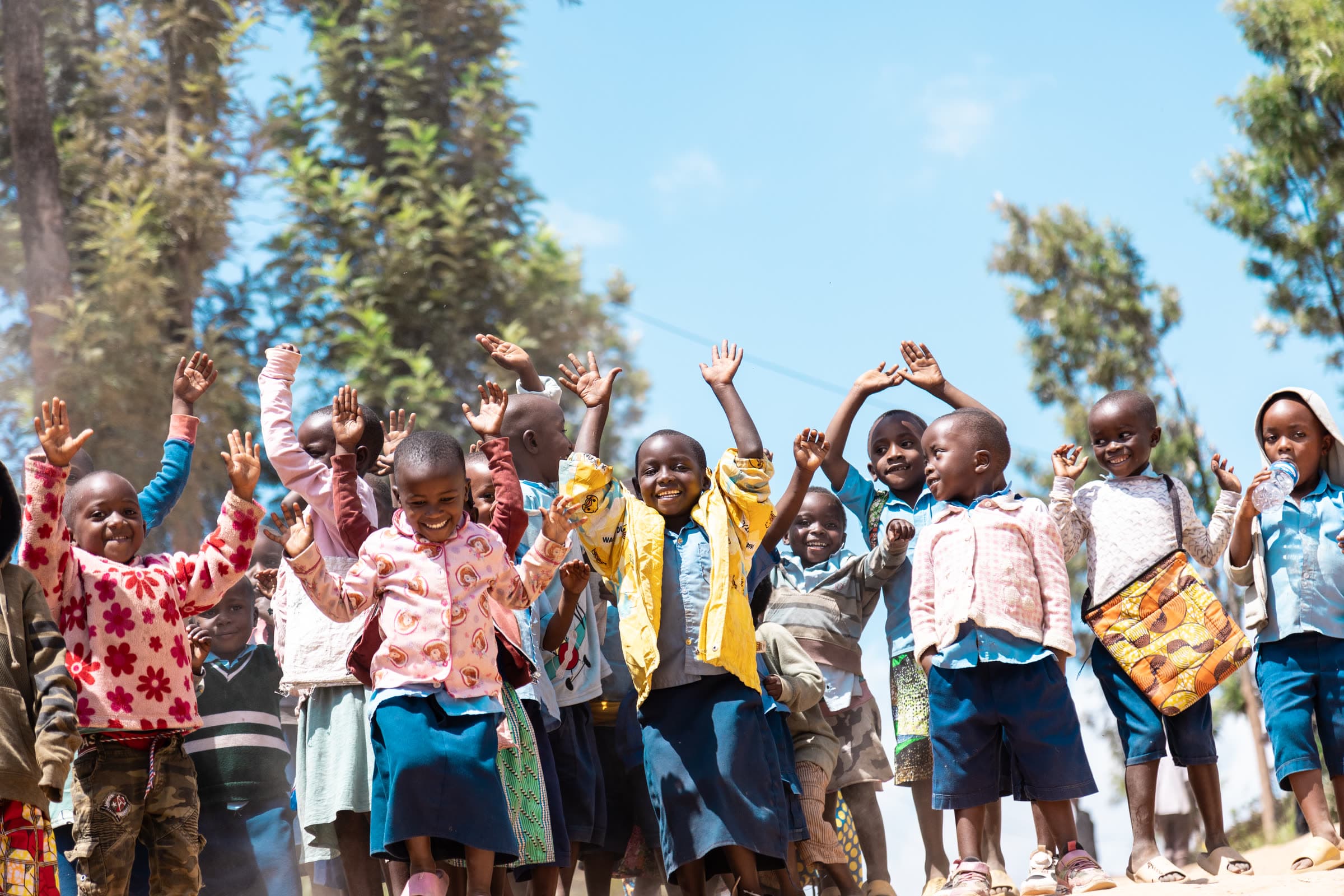
FXB Rwanda programme photograph — description to be written.

Guided by the FXBVillage Model, we work across multiple sectors to create sustainable and lasting impact.

  • Child protection
  • Education
  • Health
  • Nutrition
  • Economic empowerment
  • Agriculture
  • Water and sanitation
  • Climate resilience
  • Community health
THE CHALLENGE

The challenge of child poverty

Among the most disadvantaged groups in society, children are particularly vulnerable to the many consequences of poverty that affect families and communities. Income insecurity, hunger, poor health, marginalisation, illiteracy, and the lack of sanitation and adequate housing are both causes and consequences of poverty, pulling families into a downward spiral of deprivation.

Poverty experienced by children, even for short periods, can leave lasting marks throughout their lives. In the most severe situations, some do not survive. Those who do may suffer from early childhood onward, from malnutrition, insecurity, and multiple forms of deprivation, with lasting effects on their health and cognitive development. These consequences compromise their potential in adulthood and weaken the well-being of future generations.

Poverty arrives in every part of a life at once.

THE FXBVILLAGE MODEL

A holistic route out of poverty

The FXBVillage model is a holistic and integrated approach designed to enable families to sustainably move out of poverty, by giving parents the means to protect and raise their children. Economic empowerment is its central driver of change.

However, economic support alone is not enough to ensure a lasting exit from poverty. The model therefore combines economic empowerment with access to basic services and the realisation of fundamental rights, while placing the improvement of children's and adults' quality of life at the heart of its action.

By acting simultaneously on economic, social, and human dimensions, the FXBVillage model fosters lasting family transformation, improves children's wellbeing, and helps break the intergenerational cycle of poverty.

MAIN CHALLENGES

  • Chronic food insecurity
  • Precarious housing
  • Low and irregular income
  • Limited access to health care
  • Risk of dropping out of school
  • Social isolation & widowhood

In addition, the presence in both contexts of families affected by HIV further underscores the need for sustained psychosocial and health support.

Three years, and a household that no longer needs us.

TRANSFORMATION JOURNEY

36 months to change a life, sustainably

A complete 36-month journey toward dignity, access to fundamental rights, and lasting change for children and families.

  1. 1

    0–6 months

    Building trust between participants and FXB teams, emergency nutrition support, reintegration into school for children who have interrupted their education, access to mutual health insurance and healthcare services, and a gradual shift toward practices that support well-being and learning.

  2. 2

    7–12 months

    Strengthening technical, entrepreneurial, and business skills, forming VSLA groups, providing startup capital, and launching the first income-generating activities.

  3. 3

    13–24 months

    Consolidating income, increasing savings and assets, improving access to fundamental rights (food security, education, health, and WASH), and the gradual empowerment of women.

  4. 4

    25–36 months

    Strengthening sustainable livelihoods, significantly improving the well-being of children and adults, reducing dependence on external aid: achieving economic, social, and human autonomy and exiting the programme.

GUIDING PRINCIPLES

Built on three principles

At FXB Rwanda, we believe that every family has the potential to overcome poverty when provided with the right opportunities, knowledge, and support.

  • Families experience multiple challenges at the same time. Our interventions therefore address health, education, livelihoods, nutrition, child protection, environmental sustainability, and social inclusion simultaneously.

  • Communities are active partners — not passive beneficiaries. Families participate in identifying their needs, planning solutions, implementing activities, and sustaining achievements beyond the project lifecycle.

  • Our goal is not to create dependency but to strengthen resilience. By building local capacities and promoting self-reliance, communities are empowered to continue progressing independently.

A business of one's own is what the last year is for.

THE PILLARS

Five pillars, delivered together

The model integrates a set of mutually reinforcing pillars that work together to improve the overall well-being of families.

  1. 01

    Home visits and coaching

    Home visits and individualised coaching are the foundation of the FXBVillage model. Each family benefits from regular follow-up by FXB teams and community facilitators trained as part of the project, fostering a relationship of trust.

    KEY INTERVENTIONS

    Multidimensional assessments
    Household assessments to identify economic, nutritional, health, educational, and psychosocial vulnerabilities.
    Personalised development plans
    Co-created with family heads for tailored support.
    Parenting coaching
    Including fathers' involvement, child protection, hygiene, nutrition, family planning, and positive behaviour change.
    Psychosocial support
    To address trauma, low self-esteem, and family conflict. Referral to appropriate services when necessary.
    FXB Rwanda programme photograph — description to be written.
  2. 02

    Economic Empowerment

    KEY INTERVENTIONS

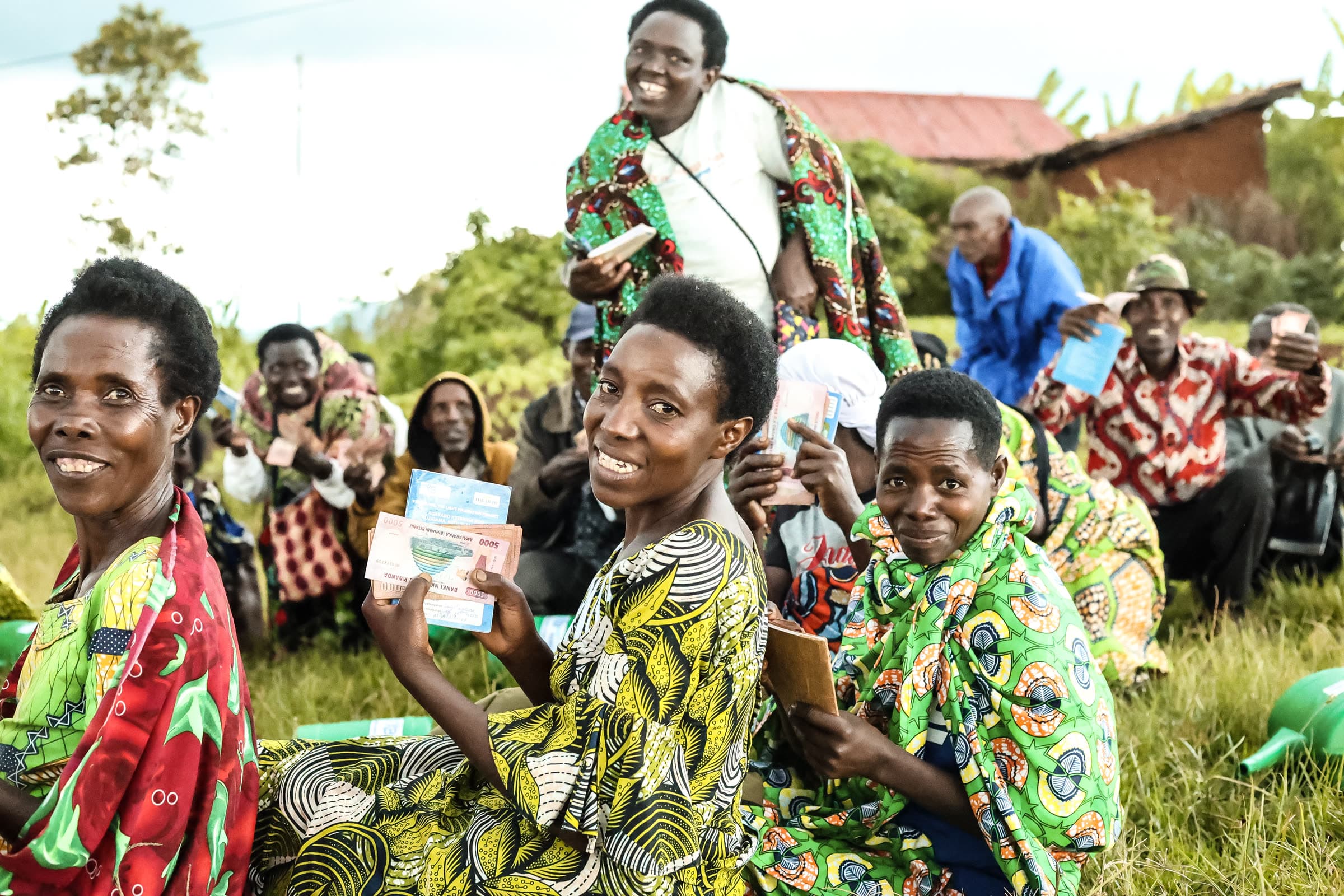
    VSLA associations
    Implementation of Village Savings and Loan Associations (VSLA) enabling families to save regularly, access small loans, and develop financial literacy. Beyond their financial function, VSLAs serve as platforms for training, learning, and peer solidarity, contributing to the sustainability of the project.
    Startup capital & income-generating activities
    Provision of startup capital intended to launch income-generating activities (IGAs) in areas such as agriculture, livestock, small trade, food services, or various workshops.
    Commercial and entrepreneurial training
    Training in business and entrepreneurial skills, including financial literacy, budgeting, basic accounting, project management, and market analysis.
    Collective social enterprises
    Creation of collective social enterprises (CSEs) developed to strengthen collective income and reduce individual risks, with ongoing coaching and mentoring.
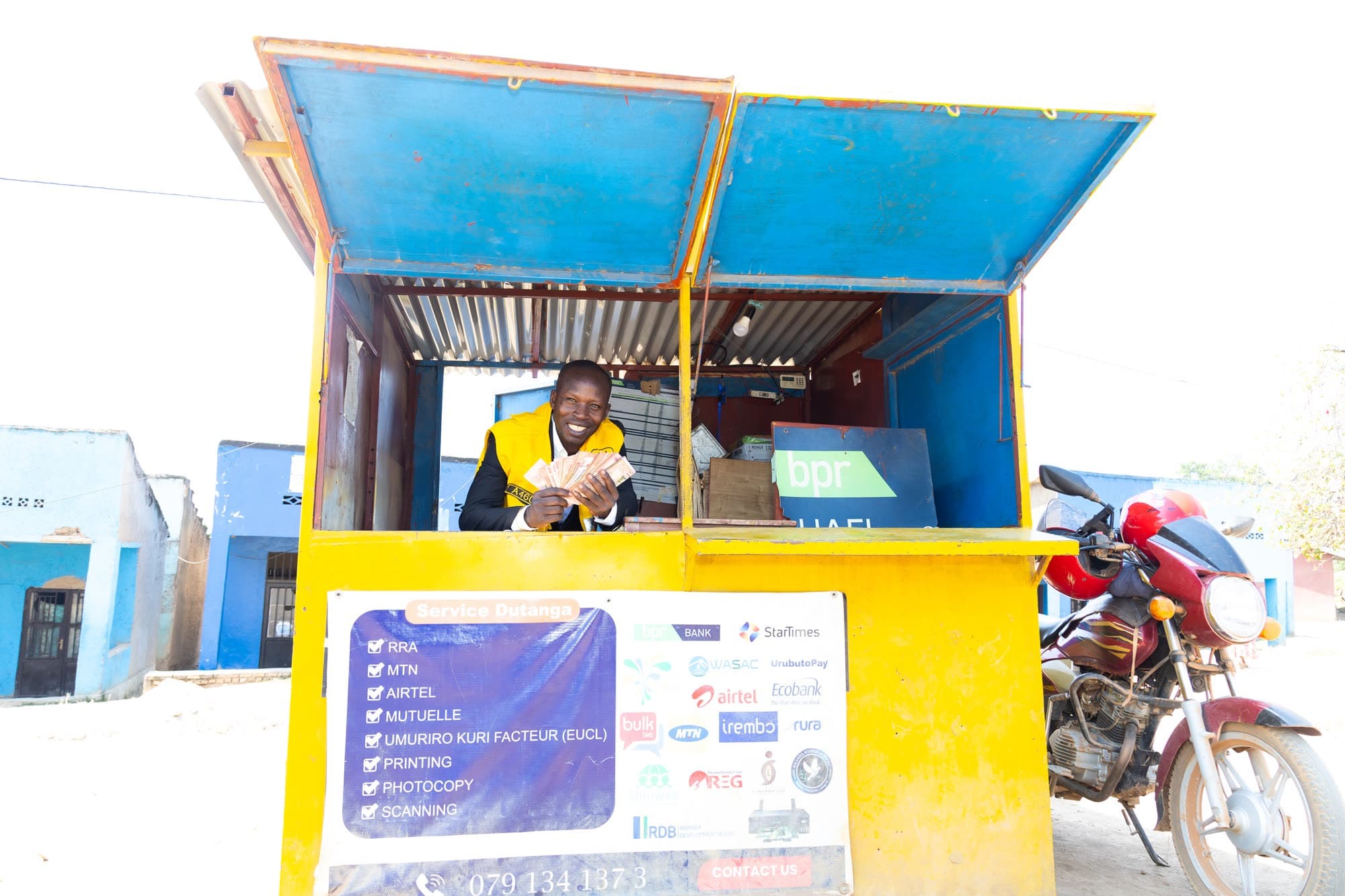
    A young man running his mobile money and airtime kiosk
  3. 03

    Nutrition and Food Security

    KEY INTERVENTIONS

    Nutrition training
    Families received training on nutrition, child feeding, meal diversification, and preparing balanced diets.
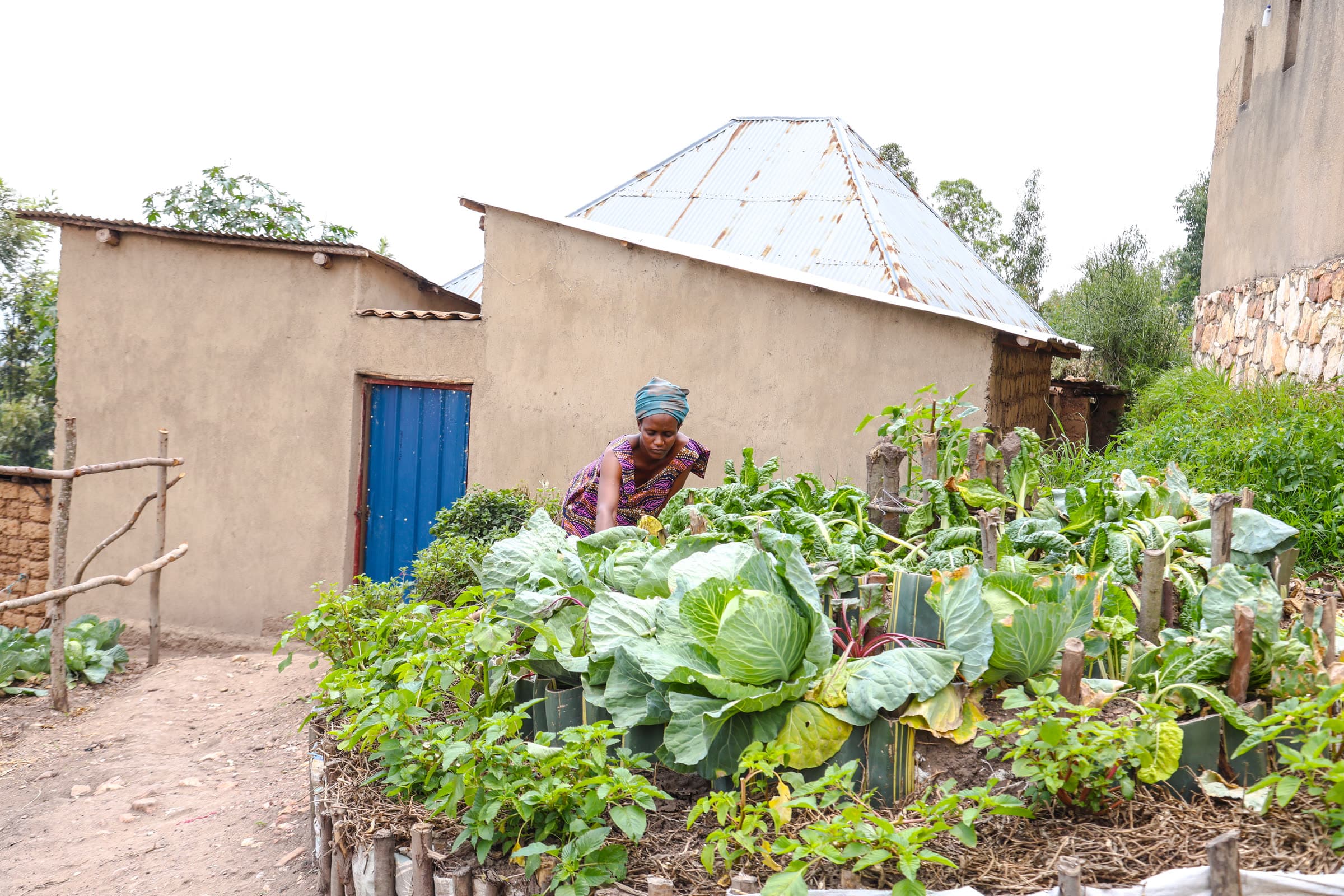
    Kitchen gardens & orchards
    The cultivation of kitchen gardens and orchards using climate-resilient farming practices was encouraged in order to improve year-round access to nutrient-rich foods.
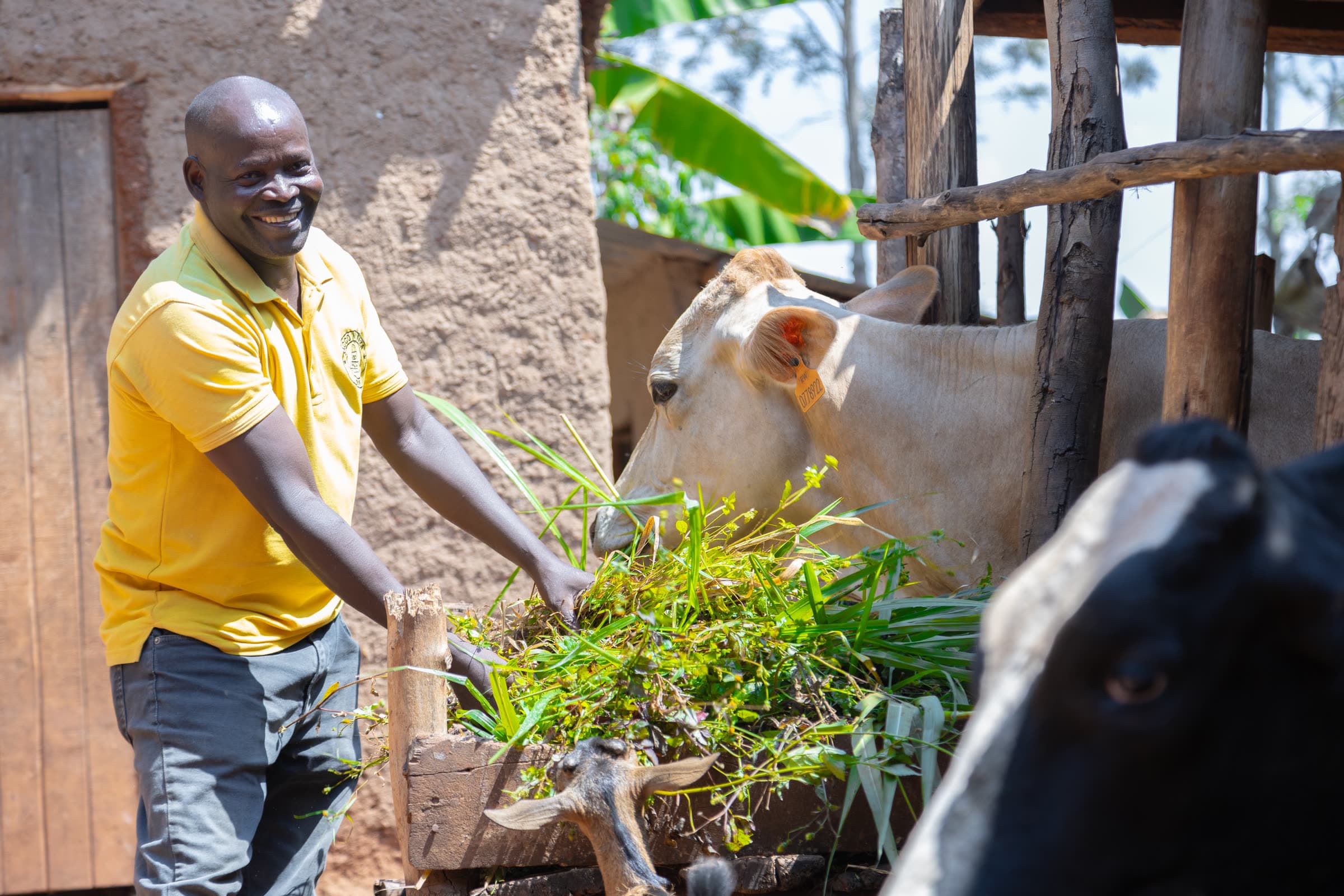
    Poultry & small livestock farming
    Developing household livestock production strengthened food security by supporting sustainable access to eggs and other sources of protein.
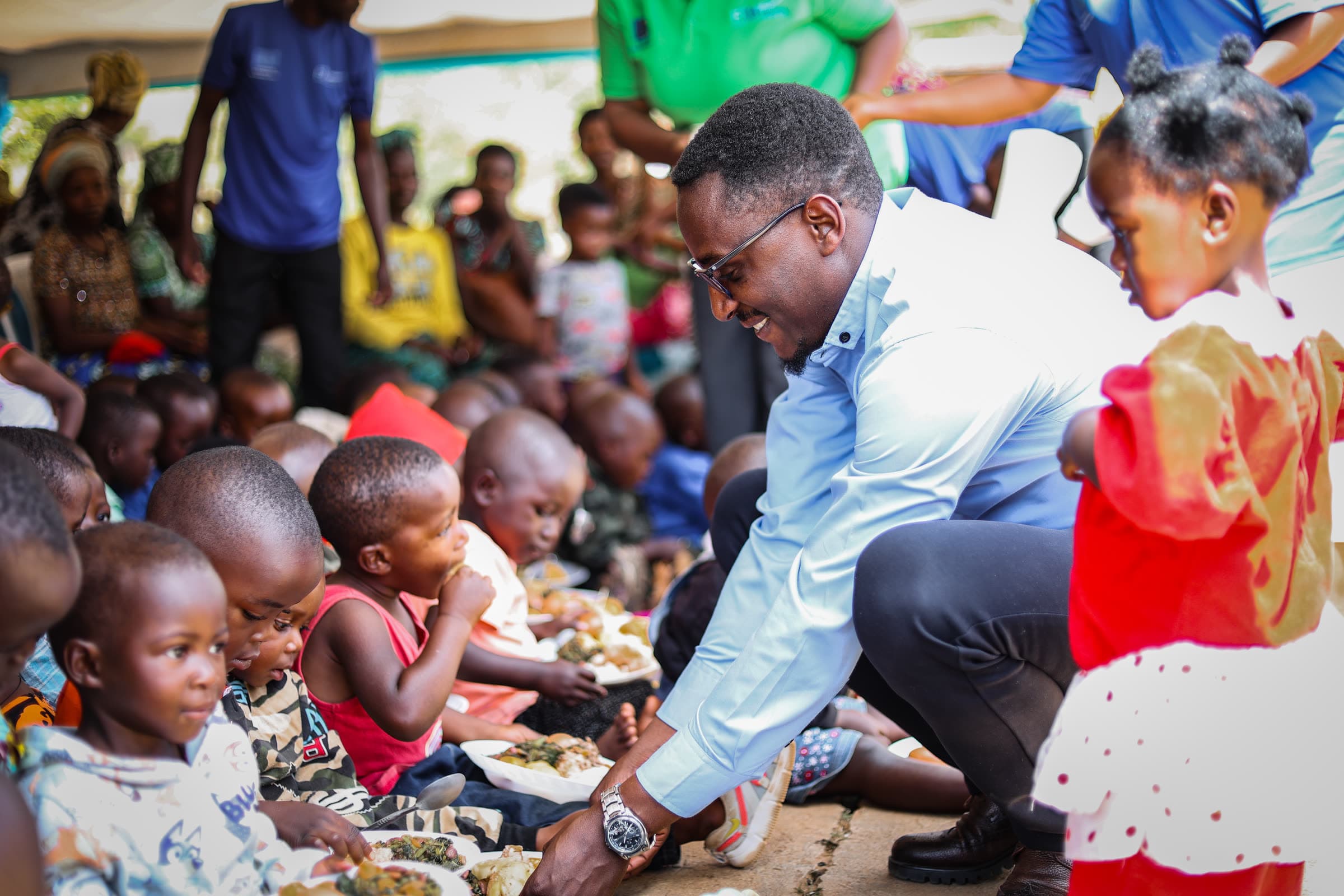
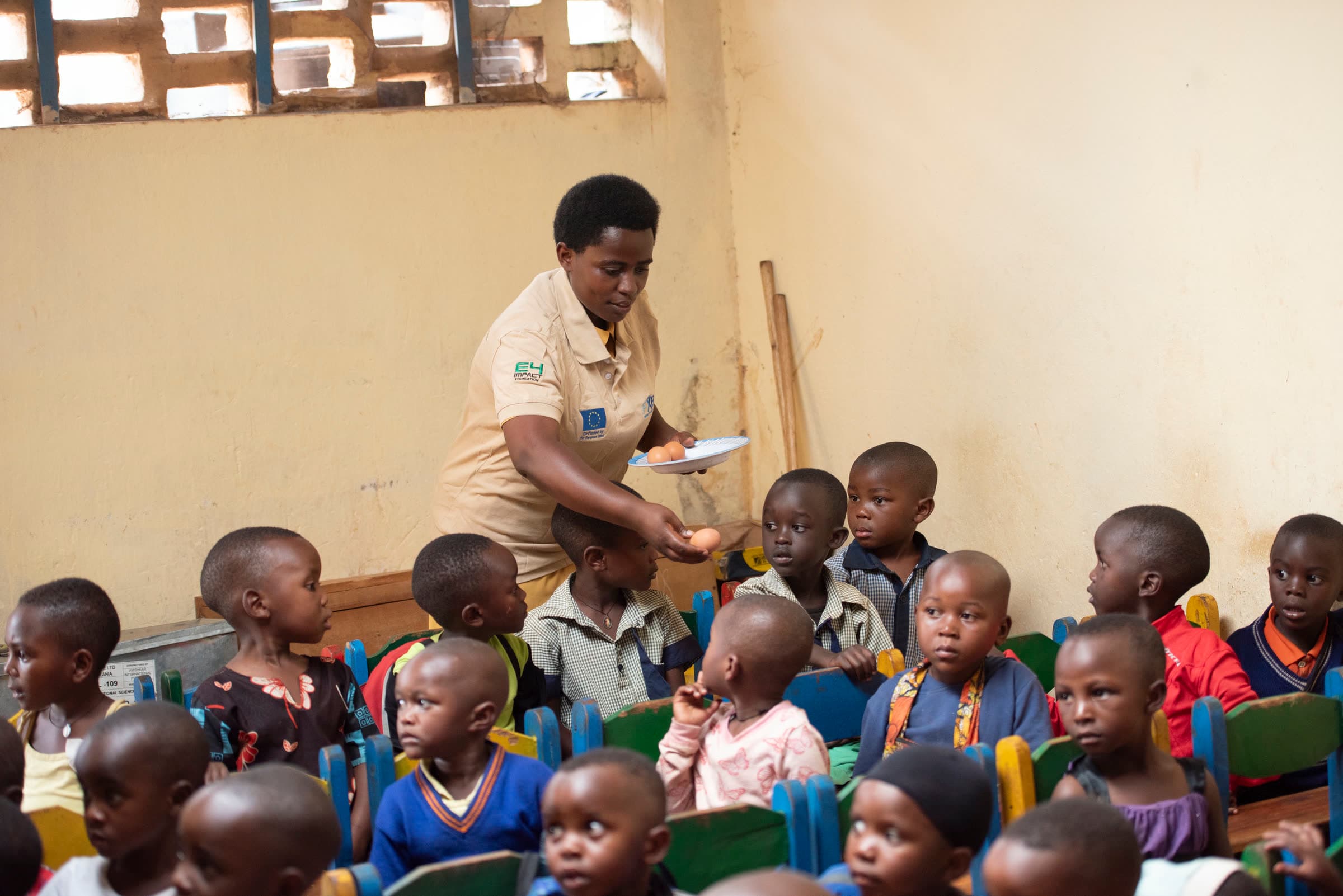
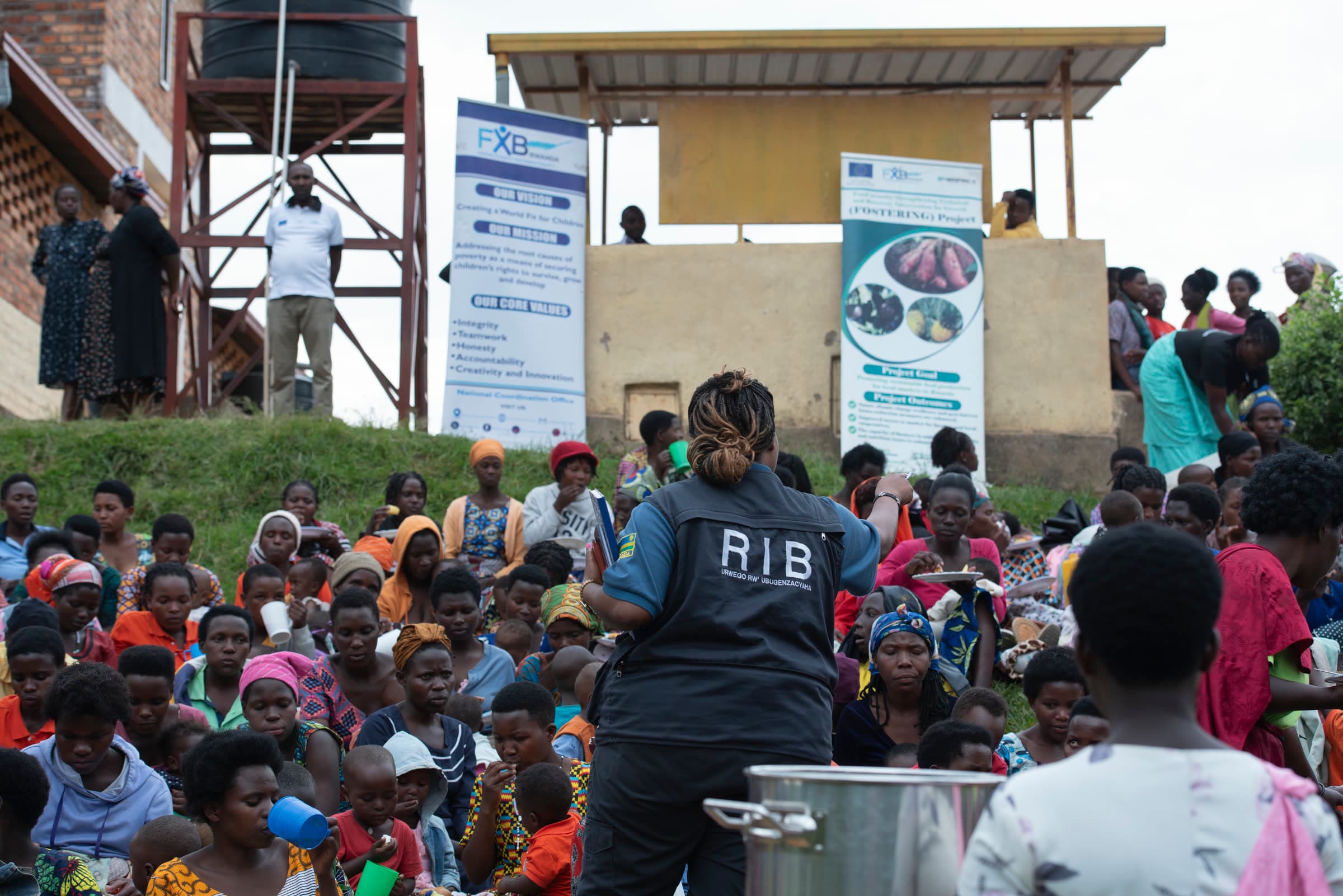
    A community nutrition session, with prepared food being served to children
  4. 04

    Education and access to information

    KEY INTERVENTIONS

    Direct school support
    The project covered school fees and related contributions, distributed school supplies and uniforms (100% in the 1st year, 75% in the 2nd year, 50% in the 3rd year). School follow-up visits and close support for parents/guardians and teachers.
    Early childhood development
    Training for parents/guardians and community volunteers in positive parenting, child growth monitoring, and child stimulation.
    Youth vocational training
    Technical and vocational education and training, internships, and tool kits to support the transition to employment or self-employment.
    School canteens
    Support for school canteens plays an important role in improving attendance and school retention.
    FXB Rwanda programme photograph — description to be written.
  5. 05

    Health and Water, Sanitation and Hygiene (WASH)

    KEY INTERVENTIONS

    Health insurance
    Enrolment and renewal of health insurance and referrals to health facilities.
    HIV testing and counselling
    Voluntary counselling and testing, follow-up for people living with HIV, psychosocial support, as well as repeated awareness sessions on disease prevention, and maternal and child health.
    WASH infrastructure
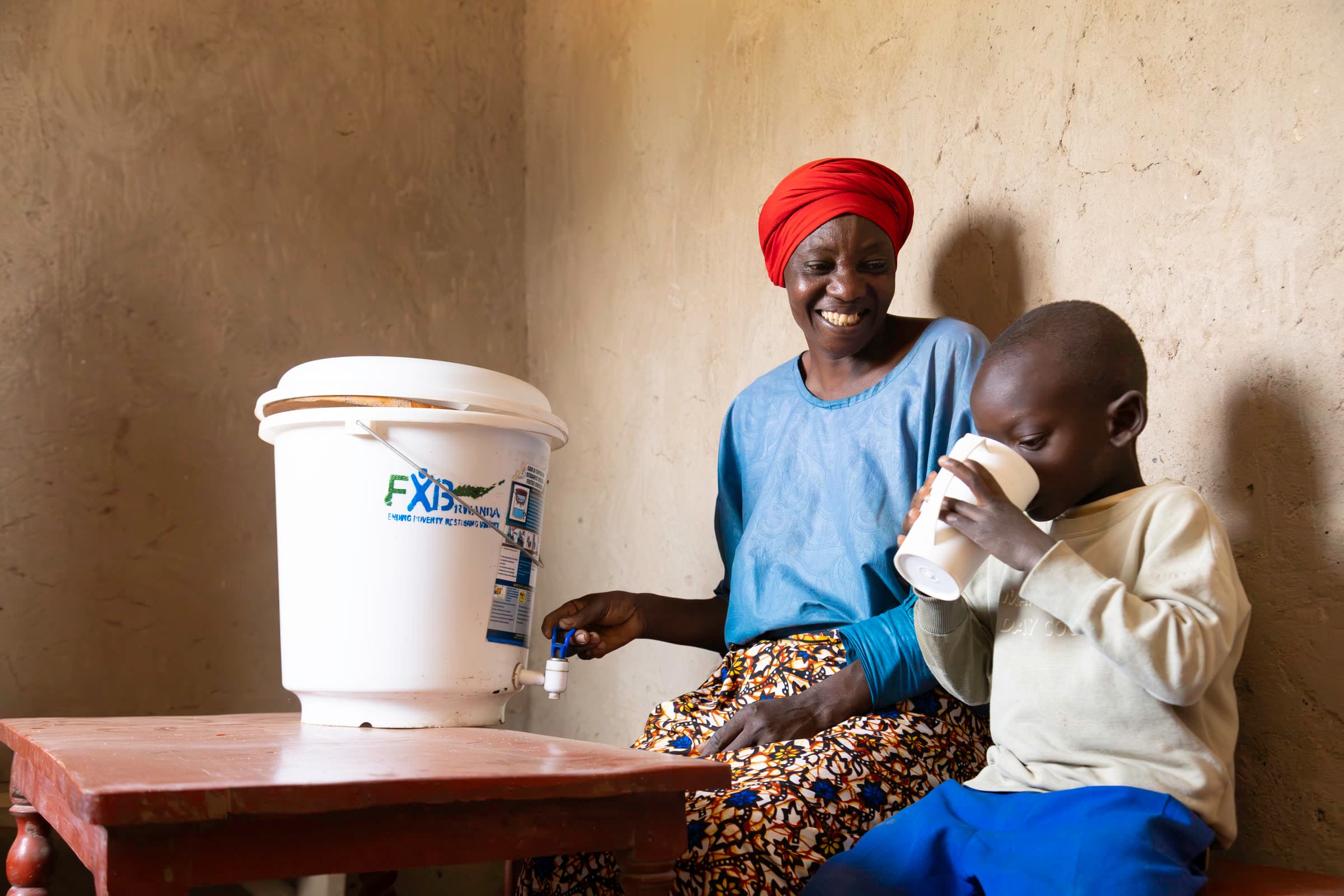
    Hygiene kits, handwashing facilities, improved latrines, outdoor showers, ventilated kitchens, composts and, when necessary, rehabilitation or construction of housing.
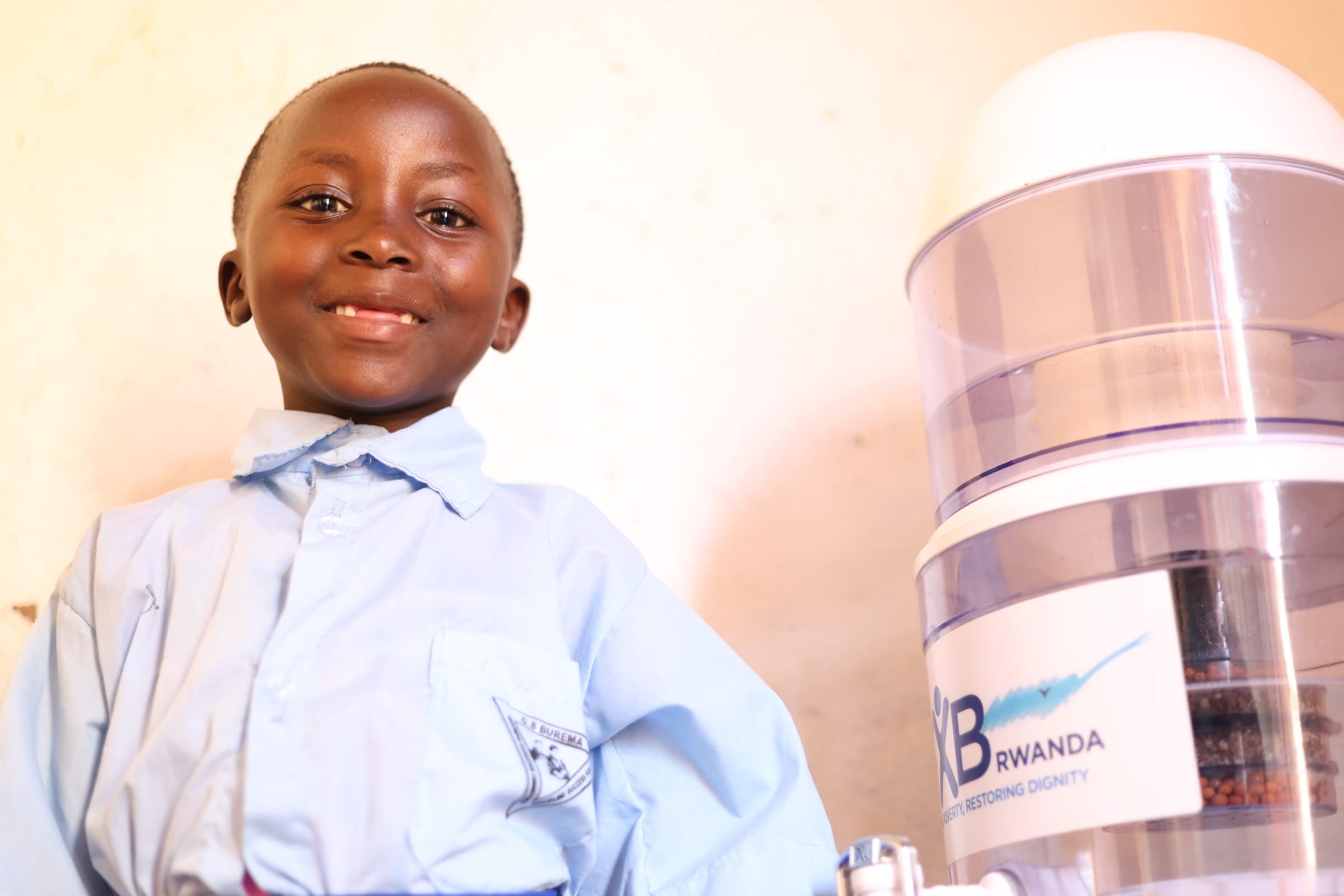
    A boy in school uniform beside an FXB Rwanda household water filter
WHY IT WORKS

Integrated, and people-centred

The strength of the FXBVillage Model lies in its integrated and people-centred approach.

Instead of addressing one challenge in isolation, the model recognises that lasting change requires coordinated action across multiple sectors. By empowering families with knowledge, resources, and opportunities, the model creates a foundation for long-term resilience and sustainable development.

This holistic approach not only improves immediate living conditions but also enables communities to continue progressing long after project interventions have ended.

Contributing to national and global development

The FXBVillage Model aligns with Rwanda’s national development priorities and contributes to several Sustainable Development Goals.

  • Sustainable Development Goal 1: No Poverty
  • Sustainable Development Goal 2: Zero Hunger
  • Sustainable Development Goal 3: Good Health and Well-being
  • Sustainable Development Goal 4: Quality Education
  • Sustainable Development Goal 5: Gender Equality
  • Sustainable Development Goal 6: Clean Water and Sanitation
  • Sustainable Development Goal 8: Decent Work and Economic Growth
  • Sustainable Development Goal 13: Climate Action
  • Sustainable Development Goal 16: Peace, Justice and Strong Institutions
  • Sustainable Development Goal 17: Partnerships for the Goals
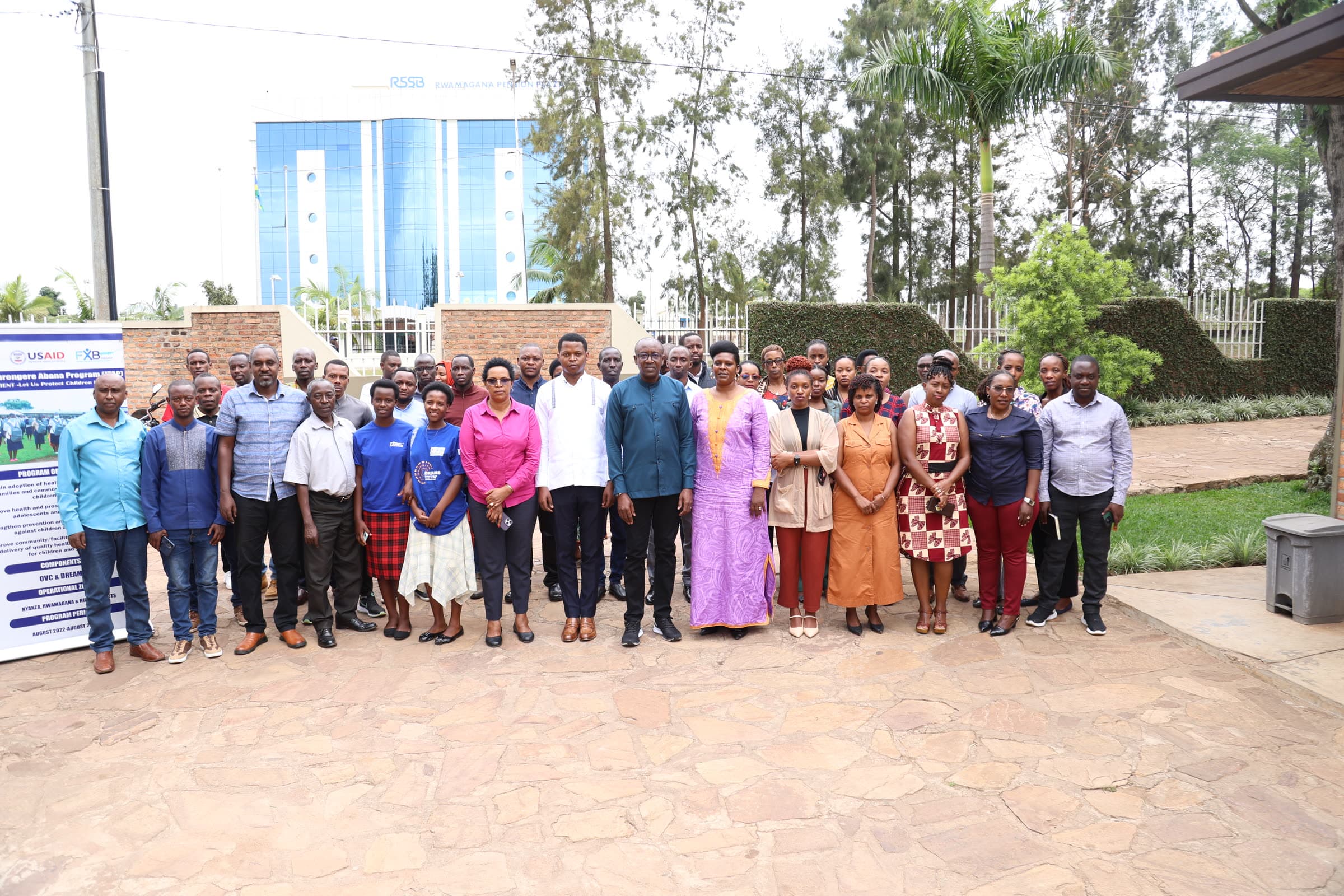
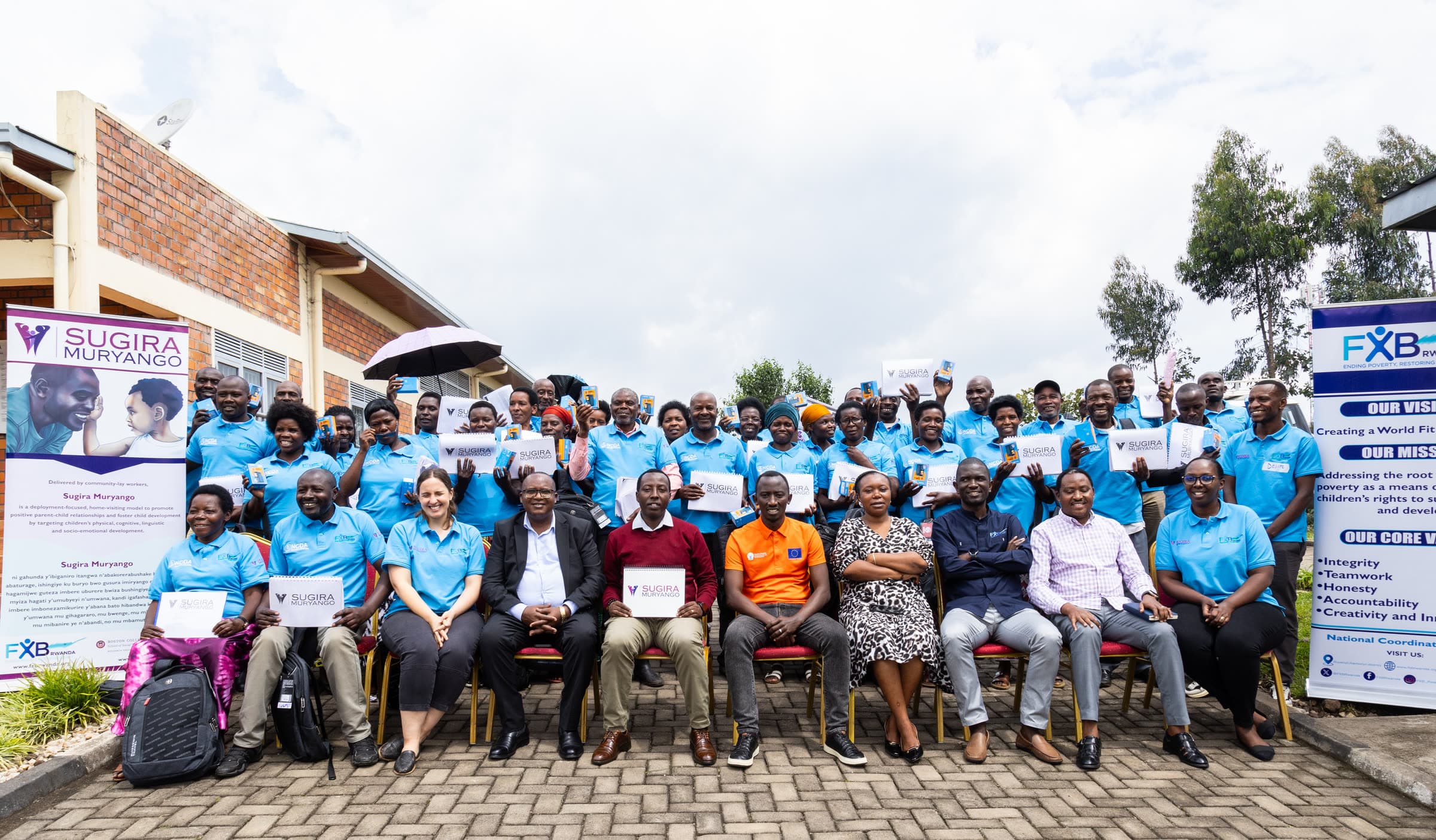
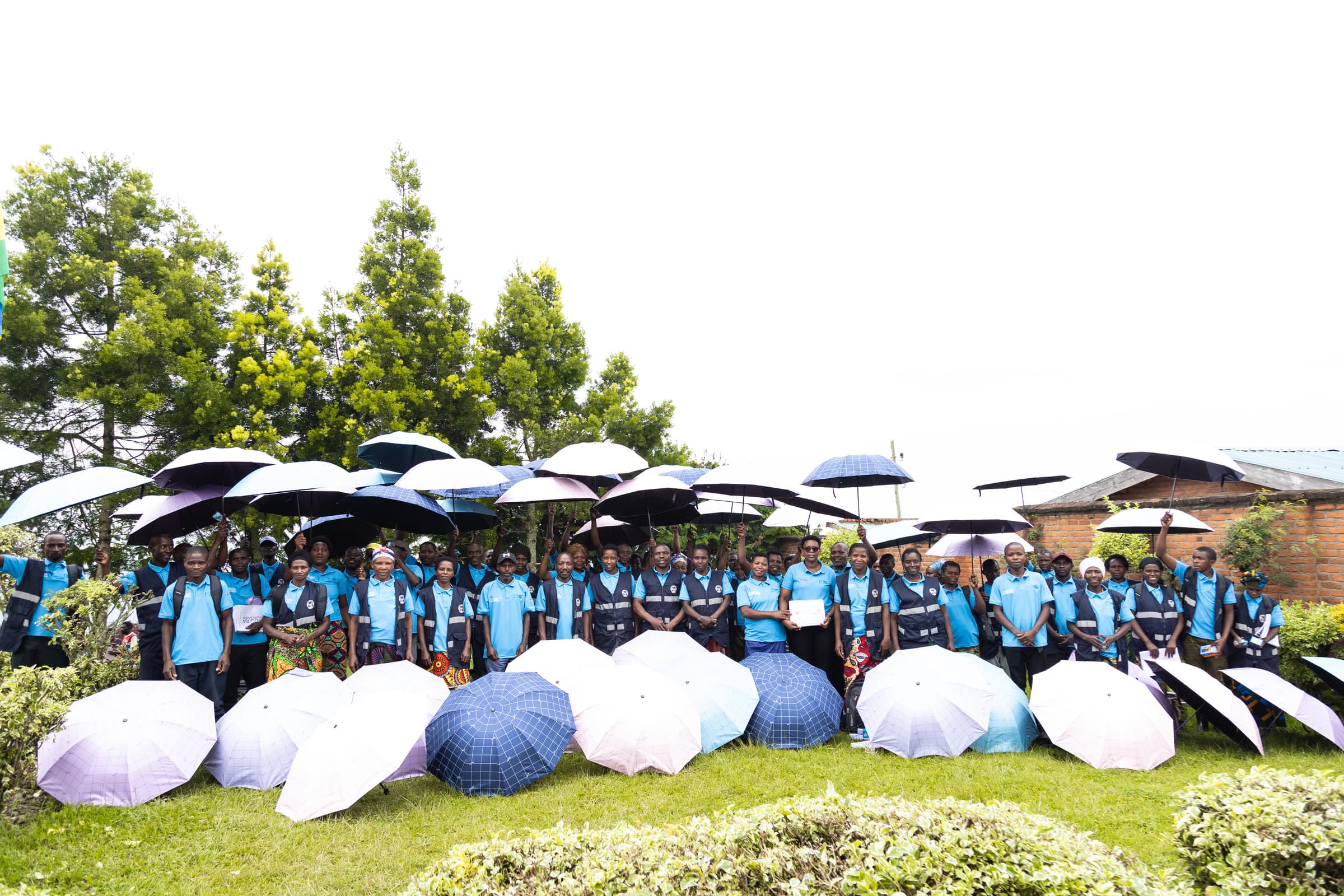
Participants and staff standing together at the closing of an FXB Rwanda project in Rwamagana
FXBVILLAGE PROJECTS
0projects implemented

As of now, 54 FXBVillage projects have been implemented, leaving thousands of families resilient from poverty.

AREAS OF INTERVENTION

Four areas, one household

The model is delivered through four areas of intervention. A family rarely needs only one of them, which is why we never run them apart.

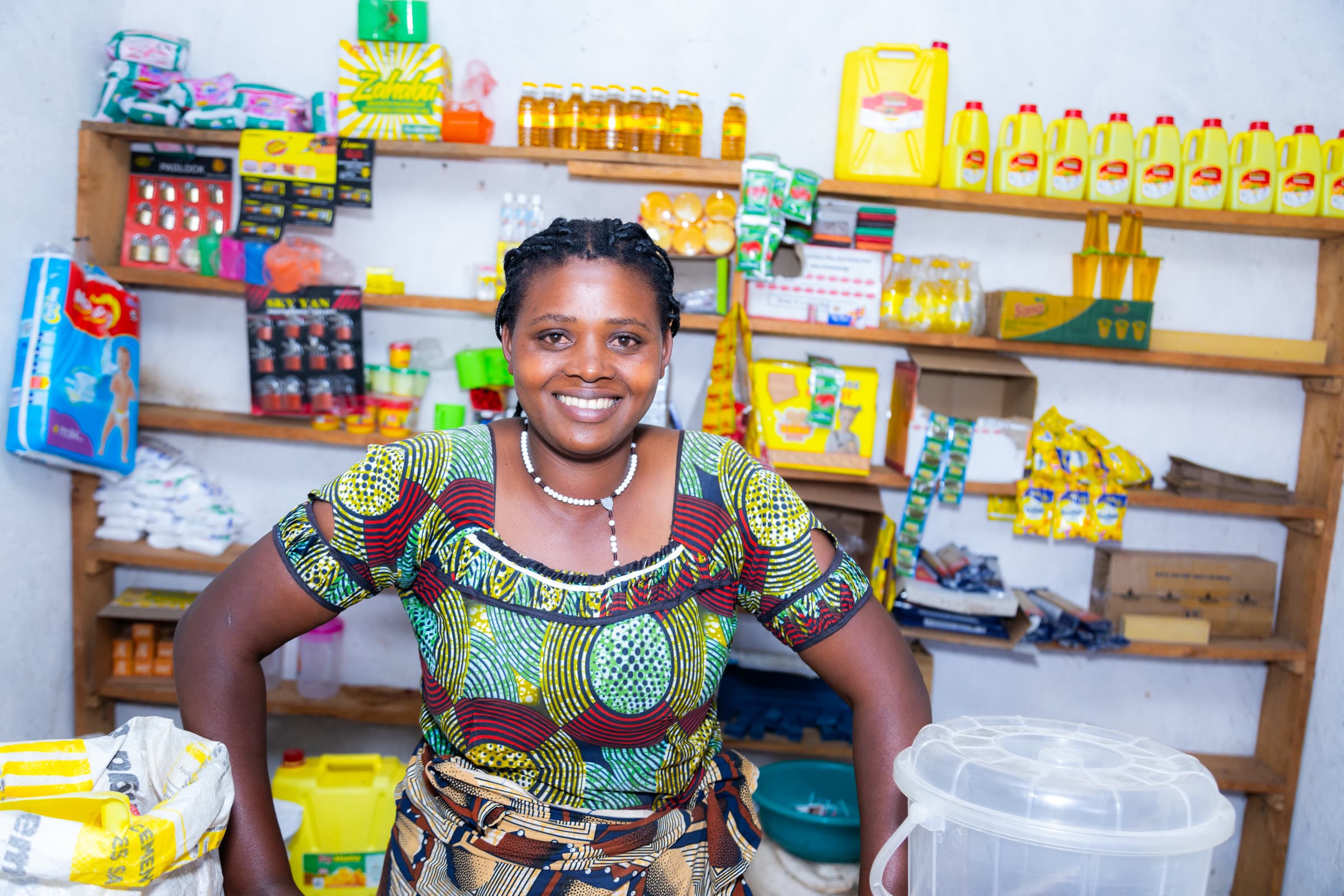
  • A woman standing in the shop she runs, stocked floor to ceiling

    Socio-Economic Strengthening

    Savings groups, startup capital and enterprise

    • Entrepreneurship, VSLA savings groups & startup capital
    • Family resilience & violence prevention
    • Climate adaptation & environmental conservation
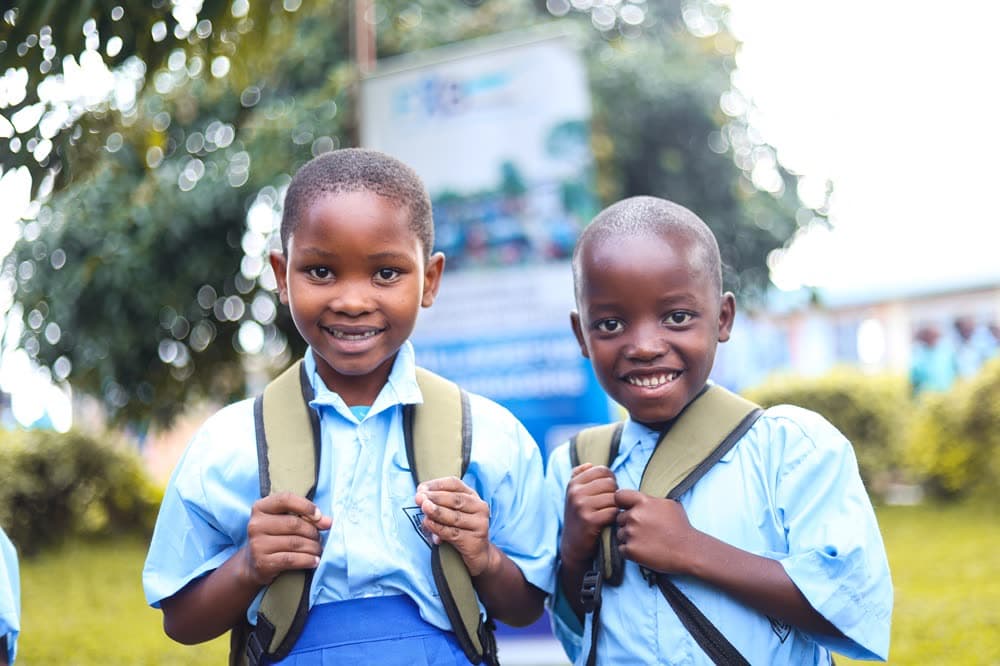
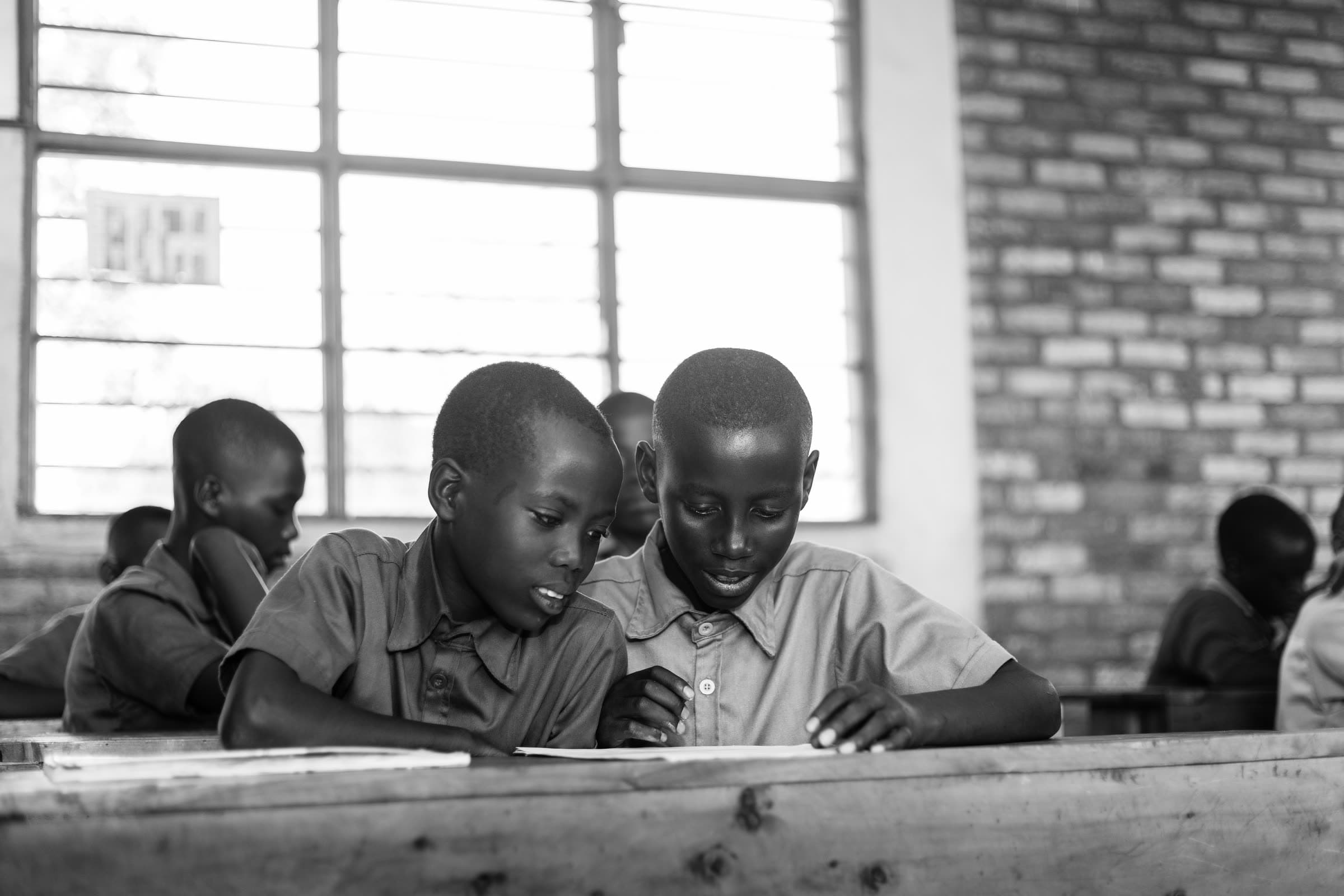
  • Two children in school uniform carrying their bags

    ECD & Education

    Early childhood, school support and vocational training

    • School support & scholastic materials
    • Vocational & youth training
    • Positive parenting & early stimulation
  • A child drinking clean water beside an FXB Rwanda household filter

    Health

    HIV care, nutrition, maternal health and WASH

    • HIV testing, counselling & prevention (incl. DREAMS)
    • Health insurance enrolment & referrals
    • Nutrition, maternal & child health, WASH infrastructure
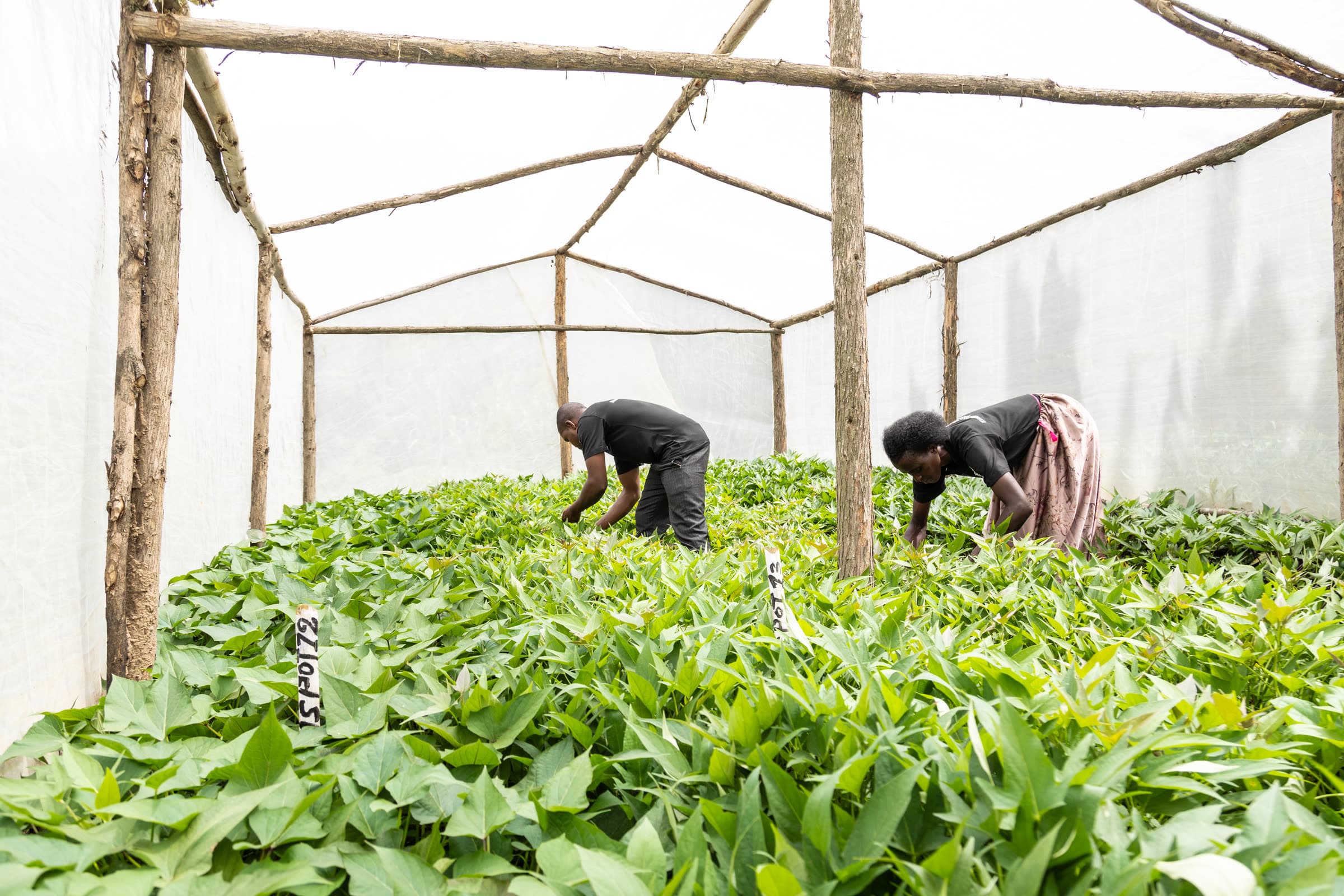
  • Growers tending seedlings under a shade structure

    Herbal Medicine

    Traditional practice, cultivated and applied